
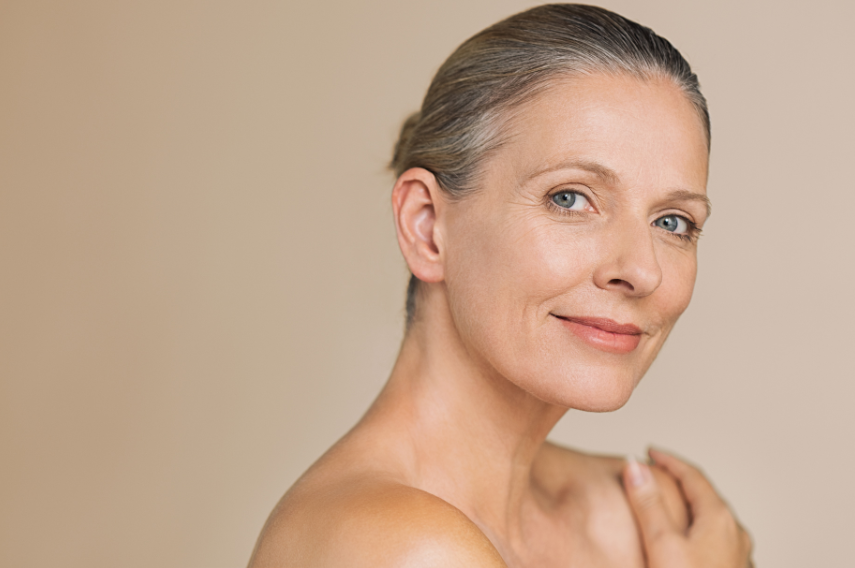
While hormonal changes are often discussed in the context of internal health, the impact on our skin—the body’s largest organ—is profound. As we mature, particularly during the perimenopausal and menopausal years, a decline in hormone can lead to visible changes in skin texture, thickness, and elasticity.
This guide explores the condition of Hormone-Deficient Skin (EDS), the science behind topical hormone therapy for facial rejuvenation, and how a customised approach can help you maintain a glowing, healthy complexion.
What is Hormone-Deficient Skin?
Hormones plays a pivotal role in maintaining youthful skin. It stimulates the production of collagen, elastin, and hyaluronic acid—the building blocks of firm, hydrated skin. When hormone levels drop, the skin undergoes a rapid transition.
Key Characteristics of Oestrogen-Deficient Skin:
- Thinning (Atrophy): Research suggests skin thickness can decrease by up to 1% per year after menopause.
- Increased Wrinkling: A reduction in collagen leads to deeper lines and a loss of “bounce.”
- Dryness and Dullness: The skin produces less sebum and struggles to retain moisture.
- Slow Wound Healing: The skin becomes more fragile and takes longer to recover from minor irritations.
- Loss of Elasticity: The “sagging” effect often noticed around the jawline and eyes.
The Science of Facial Hormone Therapy
Topical hormone therapy for the face is often considered a “gentle” approach to managing age-related changes. Unlike stronger hormones used in systemic HRT, specific topical hormones are often preferred for facial application because they bind effectively to receptors in the skin with minimal systemic absorption.
How it Supports the Dermis:
- Collagen Synthesis: It signals fibroblasts to produce more collagen, helping to “plump” the skin from within.
- Hydration Boost: It increases the production of acid mucopolysaccharides, which keep the skin hydrated and dewy.
- Barrier Function: It improves the skin’s ability to act as a barrier against environmental pollutants and moisture loss.
Why a Compounding Pharmacy is Essential for Skincare
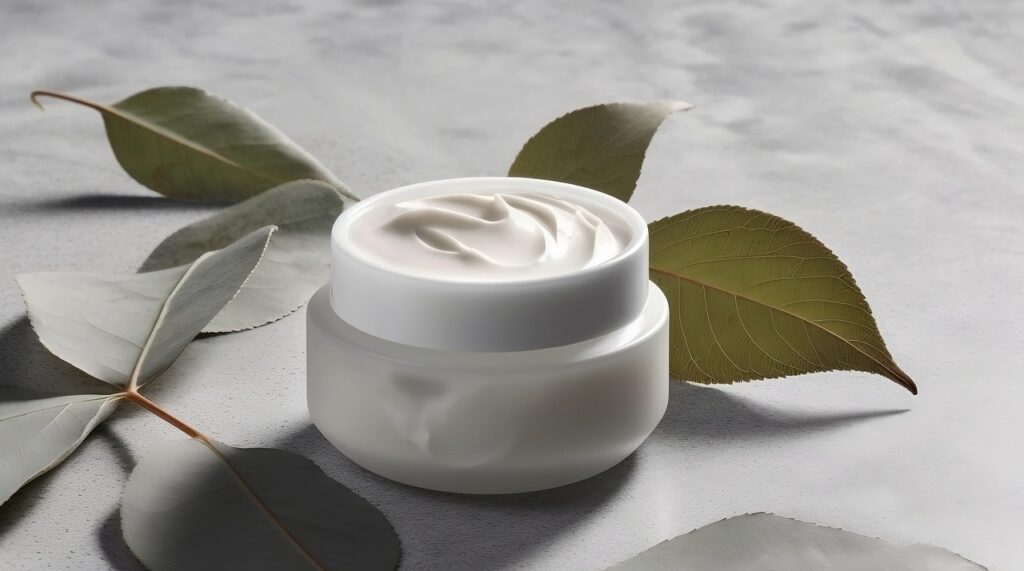
Mass-produced creams are rarely designed for the face. A compounding pharmacy bridges the gap between endocrinology and high-end dermatology.
Elegant Facial Bases:
Commercial creams are often thick, greasy, or designed for other areas of the body. A compounding pharmacist can incorporate your hormone therapy into a cosmetically elegant facial base—such as a light, non-comedogenic vanishing cream or a luxurious serum—that sits perfectly under makeup or sunscreen.
Commercial creams are often thick, greasy, or designed for other areas of the body. A compounding pharmacist can incorporate your hormone therapy into a cosmetically elegant facial base—such as a light, non-comedogenic vanishing cream or a luxurious serum—that sits perfectly under makeup or sunscreen.
Avoiding Irritants:
Facial skin is sensitive. Compounded formulas can be made free from common “nasties” like harsh preservatives, artificial fragrances, or parabens that are often found in standard tubes.
Facial skin is sensitive. Compounded formulas can be made free from common “nasties” like harsh preservatives, artificial fragrances, or parabens that are often found in standard tubes.
Personalised Potency:
Your skin’s needs are unique. A compounding pharmacist can adjust the concentration of the treatment based on your doctor’s recommendation, ensuring you receive exactly what your skin requires to see results without over-exposure.
Your skin’s needs are unique. A compounding pharmacist can adjust the concentration of the treatment based on your doctor’s recommendation, ensuring you receive exactly what your skin requires to see results without over-exposure.
How to Use Your Compounded Facial Treatment
For optimal results, your treatment should be integrated into a consistent evening routine.
| Step | Action |
|---|---|
| 1. Cleanse | Use a gentle, soap-free cleanser to remove impurities without stripping natural oils. |
| 2. Apply | Apply a pea-sized amount of the compounded cream to the face and neck, avoiding the eyelids and lips. |
| 3. Technique | Use gentle upward strokes to massage the cream into the skin until absorbed. |
| 4. Frequency | Usually applied once daily at night, or as specifically directed by your prescriber. |
| 5. Sun Protection | Always apply a broad-spectrum SPF 50+ the following morning, as hormonal treatments can make skin more sensitive to the sun. |
Advanced Lifestyle Tips for Maturing Skin
Beyond topical treatments, these targeted lifestyle adjustments can significantly enhance skin health:
- Prioritise Sleep Hygiene: “Beauty sleep” is real. During deep sleep, the body releases growth hormones that repair skin cells. Aim for 7–9 hours of quality rest.
- Internal Hydration: Focus on “eating your water.” Consuming water-rich foods like cucumber, celery, and watermelon provides hydration that is released slowly into the body.
- Antioxidant-Rich Diet: Load up on colourful berries, leafy greens, and pecans to fight oxidative stress that breaks down collagen.
- Gentle Exfoliation: As skin thins, harsh scrubs can cause micro-tears. Switch to mild chemical exfoliants once or twice a week to encourage cell turnover without trauma.
- Facial Massage: Using a Gua Sha or your fingers to perform gentle lymphatic drainage can reduce puffiness and bring fresh, oxygenated blood to the facial tissues.
- Temperature Control: Avoid very hot showers, which can strip the skin’s lipid barrier, leading to increased dryness and irritation.
Frequently Asked Questions
Will using hormone therapy on my face affect my whole body?
When applied to the face in small amounts, the active ingredients are largely metabolised within the skin layers. Systemic absorption is typically very low, but you should always discuss your full health history with your doctor.
When applied to the face in small amounts, the active ingredients are largely metabolised within the skin layers. Systemic absorption is typically very low, but you should always discuss your full health history with your doctor.
Can I use this alongside my topical vitamin A?
Yes, but with caution. Both hormone therapy and vitamin A are powerful. It is often recommended to use them on alternate nights or as directed by a healthcare professional to avoid over-stimulating the skin.
Yes, but with caution. Both hormone therapy and vitamin A are powerful. It is often recommended to use them on alternate nights or as directed by a healthcare professional to avoid over-stimulating the skin.
How soon will I see a difference?
Skin cell turnover takes about 28–40 days. While hydration may improve quickly, the structural benefits—like improved firmness and reduced fine lines—usually become visible after 8 to 12 weeks of consistent use.
Skin cell turnover takes about 28–40 days. While hydration may improve quickly, the structural benefits—like improved firmness and reduced fine lines—usually become visible after 8 to 12 weeks of consistent use.
Is it suitable for all skin types?
Because the base can be customised by a compounding pharmacy, it can be formulated for oily, dry, or sensitive skin types alike.
Because the base can be customised by a compounding pharmacy, it can be formulated for oily, dry, or sensitive skin types alike.
Possible Side Effects
While this form of treatment is generally gentle, some individuals may experience:
- Mild tingling or redness upon application.
- Occasional breakouts if the base is too heavy for your skin type (this can be adjusted via compounding).
- Temporary skin sensitivity.
- Photosensitivity (increased sensitivity to sunlight).
References
- International Journal of Women’s Dermatology. The role of oestrogen in skin health.
- Australasian College of Dermatologists. Menopause and the Skin.
- Dermatology and Therapy Journal. Topical Oestrogens for Skin Rejuvenation.
- The Lancet Diabetes & Endocrinology. Oestrogen and skin aging.
Disclaimer:
This article is provided for general educational purposes only and is not intended to replace professional medical advice. Information about compounded medicines and treatments reflects current research and practice but may not be suitable for every individual. Always consult your doctor, dermatologist, or pharmacist before starting or changing any treatment. My Skin Compounding Pharmacy does not claim that compounded products are universally effective or free of risk.
This article is provided for general educational purposes only and is not intended to replace professional medical advice. Information about compounded medicines and treatments reflects current research and practice but may not be suitable for every individual. Always consult your doctor, dermatologist, or pharmacist before starting or changing any treatment. My Skin Compounding Pharmacy does not claim that compounded products are universally effective or free of risk.

Lane Khin, the compounding pharmacist of My Skin Pharmacy, brings a wealth of knowledge from the worlds of pharmacy and dermatology to the table. With degrees in Pharmacy and Applied Science from QUT, Lane combines a deep understanding of compounding and skincare with a friendly, accessible approach. Lane shares her expertise at her pharmacy in Toowong offering both patients and customers alike, advice and insights into personalised skincare solutions. Lane has a real passion for helping others achieve their best skin.