
Causes, Spread and Management
Warts and molluscum contagiosum are common viral skin conditions that can affect both children and adults. While they are usually harmless, they can persist for months, spread to other areas of the body and sometimes cause discomfort or irritation.
Understanding why these skin lesions develop, how they spread and when to seek professional advice can help you make informed decisions about their management.
What Are Warts?
Warts are small skin growths caused by certain types of the human papillomavirus (HPV). They can develop almost anywhere on the body but are particularly common on the hands, fingers, knees and feet.
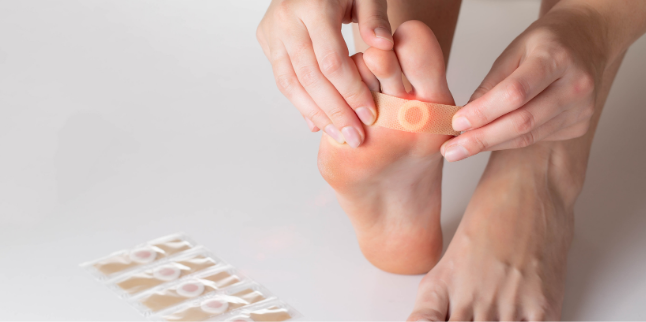
Different types of warts can have different appearances. Common warts are often rough and raised, while plantar warts develop on the soles of the feet and may become uncomfortable due to pressure from standing or walking.
Warts can occur at any age but are particularly common in children and young adults.
What Is Molluscum Contagiosum?
Molluscum contagiosum is a common viral skin infection that causes small, smooth, dome-shaped bumps on the skin. The lesions often have a characteristic small indentation in the centre.
Molluscum is particularly common in children, although adults can also develop the condition.
The lesions may occur individually or in clusters and can spread to other areas of the body through direct contact, scratching or shared objects such as towels.
Why Do Warts and Molluscum Persist?
Both conditions involve viruses affecting the outer layers of the skin. Some lesions resolve naturally as the immune system recognises and responds to the virus, while others can persist for considerably longer.
Several factors may contribute to their persistence or spread.
Skin-to-skin contact
Both warts and molluscum can spread through direct contact. Small breaks in the skin may make it easier for viral infections to establish.
Scratching and picking
Scratching, shaving or picking at lesions can transfer the virus to surrounding skin. This process is sometimes called autoinoculation.
Location of the lesion
Some lesions can be more troublesome because of where they occur. For example, plantar warts on the soles of the feet may become uncomfortable because of repeated pressure when standing and walking.
The skin barrier
Molluscum is commonly seen in children with eczema or sensitive skin. Itching and scratching can disrupt the skin barrier and contribute to the spread of lesions.
Are Warts and Molluscum Contagious?
Yes. Both warts and molluscum contagiosum can spread from person to person or from one area of the body to another.
Transmission can occur through direct skin contact or, in some circumstances, through shared personal items.
Simple measures such as avoiding picking or scratching lesions, maintaining good hand hygiene and not sharing personal items such as towels may help reduce transmission.
Can Warts and Molluscum Go Away on Their Own?
Some warts and molluscum lesions resolve without intervention as the body’s immune system responds to the virus. However, the time this takes can vary considerably between individuals.
Some people may have lesions that persist, multiply, become irritated or cause discomfort.
If lesions are persistent, changing, painful, frequently irritated or you are uncertain about the diagnosis, assessment by an appropriate healthcare professional is recommended.
How Are Warts and Molluscum Managed?
Management depends on several factors, including the type of lesion, its location, the person’s age, symptoms, medical history and how long the lesions have been present.
In some situations, observation may be appropriate because lesions can resolve naturally. In others, a healthcare professional may recommend intervention.
There are different approaches to managing warts and molluscum, and there is no single option that is appropriate for everyone. A doctor, dermatologist or other appropriately qualified healthcare professional can assess the lesions and discuss suitable management options.
Avoid attempting to cut, burn or aggressively remove a suspected wart or molluscum lesion yourself, as this may damage the surrounding skin and may increase the risk of complications.
Warts vs Molluscum: What’s the Difference?
Although both are viral skin conditions, warts and molluscum are caused by different viruses and often look different.
Warts tend to have a firmer or rougher surface, although their appearance varies depending on the type and location.
Molluscum lesions are generally smoother and more rounded and commonly have a small central indentation.
Because several other skin conditions can resemble warts or molluscum, it is important not to rely on appearance alone if you are uncertain about a lesion.
When Should You Seek Professional Advice?
Consider having a skin lesion assessed if:
- you are unsure whether it is a wart or molluscum
- the lesion is painful, bleeding or changing in appearance
- lesions are spreading or becoming increasingly irritated
- the affected person has extensive lesions or significant underlying skin problems
- the lesions are causing considerable discomfort or concern
- the diagnosis is uncertain.
A healthcare professional can assess the skin and determine whether further investigation or management is appropriate.
Frequently Asked Questions
Why do I keep getting warts?
Warts are caused by HPV, and exposure to the virus can occur through direct contact or contact with affected skin. Individual immune responses vary, which may help explain why some people develop recurrent or persistent warts while others do not.
Can warts spread to other parts of my body?
Yes. Picking, scratching or shaving over a wart may contribute to spreading the virus to nearby skin.
Can molluscum spread?
Yes. Molluscum contagiosum can spread through direct contact and can also spread from one area of the body to another, particularly when lesions are scratched.
Is molluscum common in children?
Yes. Molluscum contagiosum is particularly common during childhood. Children with eczema or an impaired skin barrier may be more susceptible to developing multiple lesions.
Are plantar warts different from other warts?
Plantar warts occur on the soles of the feet. Pressure from walking and standing can alter their appearance and may make them uncomfortable.
Should I pick or remove a wart myself?
It is best to avoid picking, cutting or attempting to physically remove a suspected wart yourself. Trauma to the area may damage healthy skin and potentially contribute to spreading the virus.
Need Personalised Skin Advice?
Skin conditions do not always look or behave the same from one person to another.
Have a Question? 💬
Our pharmacists are available to assist with general enquiries about our pharmacy and compounding services.
📞 Call us on 07 3039 1589
✉️ Email us at info@myskinpharmacy.com.au
💊 Our Compounding Services
Information provided in this article is general in nature and is not intended to replace individual medical advice. If you are concerned about a skin condition or are unsure of a diagnosis, seek advice from an appropriately qualified healthcare professional.
What would you like to do next?
Shop our range, get personalised advice, or send us your prescription.