
Causes, Types and How to Manage Uneven Skin Tone
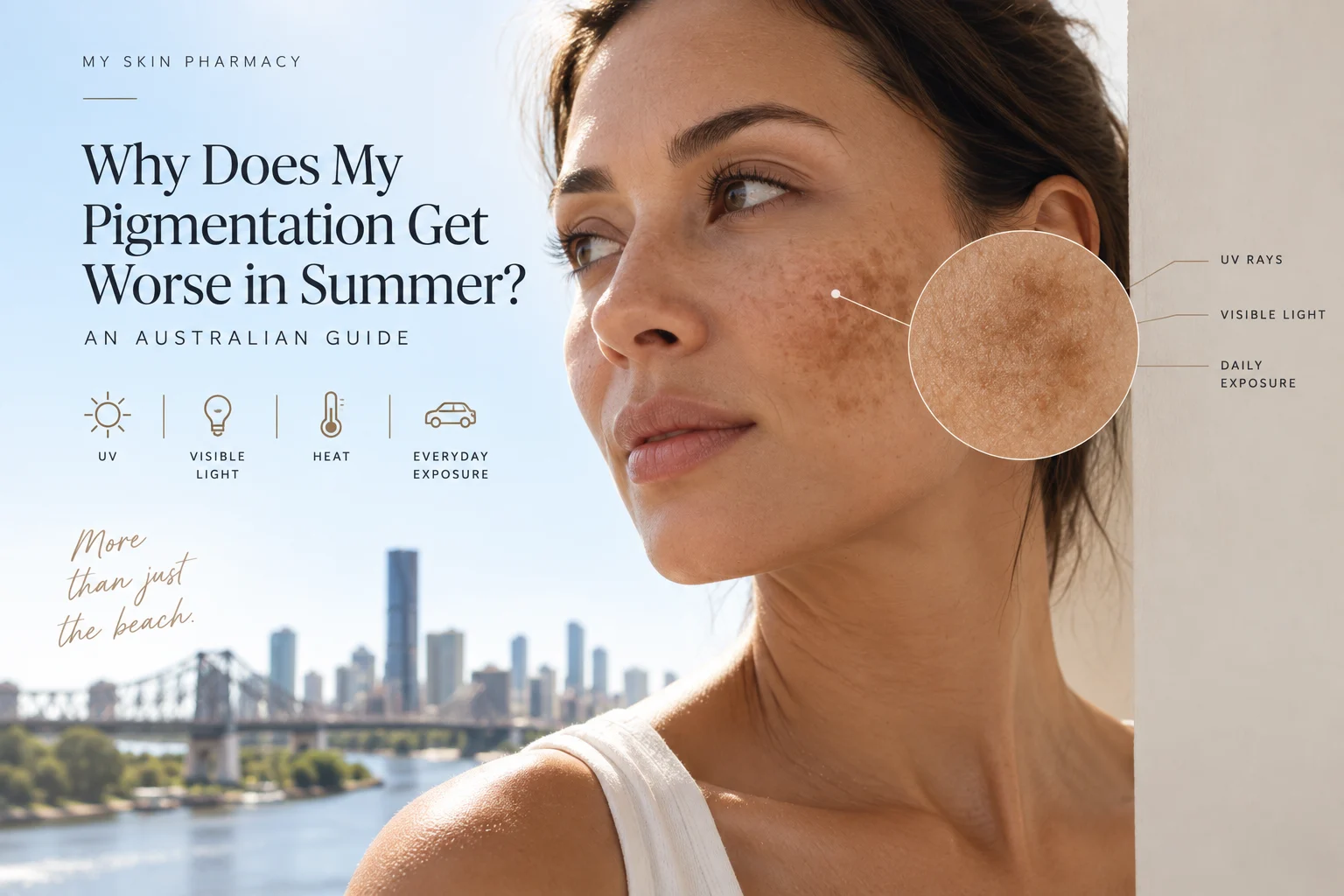
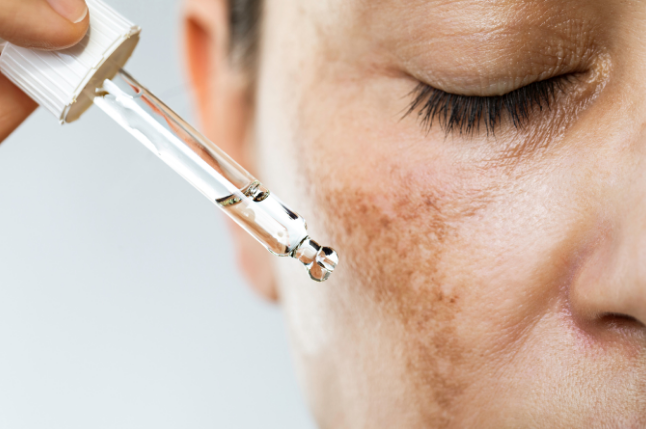
Hyperpigmentation is a common skin concern where areas of the skin become darker than the surrounding skin. It can affect all skin tones and may appear as individual dark spots, patches of pigmentation or more widespread uneven skin tone.
There are many different causes of hyperpigmentation. Understanding why the pigmentation is occurring is an important first step in deciding how it should be managed.
What Is Hyperpigmentation?
Hyperpigmentation occurs when the skin produces or accumulates increased amounts of melanin, the pigment responsible for much of our natural skin colour.
Melanin production can be influenced by sun exposure, hormones, inflammation, skin injury and genetics.
Importantly, hyperpigmentation is not one single condition. Different types of pigmentation have different causes, which means a one-size-fits-all approach may not be suitable for everyone.
What Causes Hyperpigmentation?
Several factors can contribute to pigmentation.
Sun Exposure
Ultraviolet (UV) exposure stimulates melanin production. Over time, repeated sun exposure can contribute to uneven pigmentation and may darken existing areas of pigmentation.
This is why sun protection is an important part of managing pigmentation-prone skin.
Inflammation and Skin Injury
Pigmentation can develop after inflammation or injury to the skin. This is known as post-inflammatory hyperpigmentation (PIH).
It may occur after acne, eczema, irritation, scratching or other inflammatory skin conditions.
The original inflammation may disappear relatively quickly while the pigmentation left behind can remain for considerably longer.
Hormonal Influences
Hormonal changes can contribute to some patterns of pigmentation.
Melasma, for example, is a form of facial hyperpigmentation influenced by several factors, including hormones and light exposure.
Skin Irritation
More skincare isn’t always better.
Repeated irritation from an overly complicated routine or poorly tolerated products may disrupt the skin barrier and cause inflammation. In pigmentation-prone skin, that inflammation may contribute to further discolouration.
What Are the Different Types of Hyperpigmentation?
Hyperpigmentation is a broad term rather than a single diagnosis.
Common types include:
- Post-inflammatory hyperpigmentation (PIH): pigmentation that develops following inflammation or injury to the skin.
- Melasma: typically appears as symmetrical areas of facial pigmentation.
- Sun-related pigmentation: pigmentation associated with cumulative exposure to UV radiation.
- Pigmentation associated with skin conditions: some inflammatory skin conditions can leave areas of altered pigmentation after they settle.
Different types of pigmentation can sometimes look similar. Persistent, unusual or changing pigmentation should therefore be appropriately assessed rather than self-diagnosed.
Why Can Hyperpigmentation Be Difficult to Manage?
Pigmentation can be persistent because melanin production is influenced by multiple biological and environmental factors.
The underlying cause also matters. If pigmentation is occurring because of ongoing inflammation, for example, it may continue while the source of inflammation remains.
UV exposure, hormones, skin irritation and individual susceptibility may also contribute to pigmentation returning after it has improved.
For this reason, managing pigmentation is often an ongoing process rather than a quick fix.
Why Personalised Skincare Matters for Hyperpigmentation
Hyperpigmentation does not behave the same way in every skin type.
Natural skin colour, genetic background, tendency to pigment, skin sensitivity, hormonal influences and the underlying cause can all affect how pigmentation develops and how the skin responds to skincare.
Skin Tone Matters
People with medium to deeper skin tones may experience a stronger or more persistent pigment response following inflammation.
Acne, eczema, scratching, irritation and some skin procedures can leave pigmentation that remains long after the original inflammation has resolved.
This makes avoiding unnecessary irritation particularly important for pigmentation-prone skin.
Ethnicity and Genetics Can Influence Pigmentation
Ethnic and genetic background can influence how pigmentation presents and how readily an individual’s skin produces pigment following inflammation.
However, ethnicity alone does not determine someone’s skin needs. There can be considerable variation between people with apparently similar skin tones or backgrounds.
The individual skin in front of you matters more than a label.
Skin Sensitivity Matters Too
Two people with similar-looking pigmentation may tolerate completely different skincare routines.
A routine that works well for one person may cause redness, dryness or irritation in another. In pigmentation-prone skin, repeatedly irritating the skin can be counterproductive because inflammation itself can contribute to further pigmentation.
Why a One-Size-Fits-All Skincare Routine May Not Work
Pigmentation that looks similar on the surface can have very different underlying causes.
One person may have pigmentation following acne. Another may have hormonally influenced pigmentation, cumulative sun exposure or several contributing factors at once.
A personalised approach considers more than the appearance of a dark spot. Factors such as:
- skin tone and tendency to pigment
- the pattern and likely cause of pigmentation
- skin sensitivity
- current skincare
- previous reactions to skincare
- sun exposure and lifestyle
- relevant medical history
may all be important.
The goal is not necessarily to use more products or stronger products. A good skincare routine should be appropriate for the individual’s skin and sustainable enough to use consistently.
Our Over-the-counter Heros
| Skincare Step | Propaira | Dermaceutic / Biopelle |
| 1. Cleanser | ||
| 2. Actives (Vitamin C) |
|
|
| 3. Actives (Targeted) | ||
| 4. Vitamin A (Night) |
Biopelle Retriderm Vitamin A (0.5% – 1.0%) |
|
| 5. Moisturiser | ||
| 6. Sunscreen |
How Can Hyperpigmentation Be Managed?
The appropriate approach depends on the type of pigmentation, its underlying cause, skin type, sensitivity and other individual factors.
Some general principles can help support pigmentation-prone skin.
1. Protect Your Skin From the Sun
Daily sun protection is an important part of managing many pigmentation concerns.
Appropriate use of broad-spectrum sunscreen, protective clothing and seeking shade can help reduce UV exposure.
2. Look After Your Skin Barrier
A healthy skin barrier helps the skin tolerate a skincare routine.
Gentle cleansing and appropriate moisturising may be particularly useful if the skin is dry, sensitive or easily irritated.
3. Avoid Picking and Unnecessary Irritation
Picking acne lesions, scratching irritated skin or repeatedly using products that cause significant irritation can increase inflammation.
For someone prone to post-inflammatory pigmentation, reducing unnecessary skin trauma is particularly important.
4. Introduce Skincare Gradually
When introducing new skincare, consider adding products gradually rather than changing an entire routine at once.
This makes it easier to determine how your skin responds and identify products that may be causing irritation.
5. Understand the Cause
If pigmentation is persistent, recurrent or changing, identifying the underlying cause is important.
A healthcare professional can help distinguish between different pigmentation patterns and determine whether further assessment is appropriate.
Can Acne Cause Hyperpigmentation?
Yes. Acne can leave post-inflammatory hyperpigmentation after an inflamed lesion has healed.
These marks can sometimes persist considerably longer than the original acne lesion.
Picking or squeezing acne may cause additional inflammation and can increase the likelihood of residual pigmentation, particularly in pigmentation-prone skin.
Can the Sun Make Hyperpigmentation Worse?
Yes. UV exposure can stimulate melanin production and may darken some forms of existing pigmentation.
Consistent sun protection is therefore an important consideration for people who are prone to pigmentation.
Does Hyperpigmentation Affect Darker Skin Tones Differently?
Hyperpigmentation can occur in every skin tone. However, post-inflammatory pigmentation may be more noticeable or persistent in medium to deeper skin tones.
This is one reason why maintaining the skin barrier and avoiding unnecessary inflammation can be particularly important when caring for pigmentation-prone skin.
Is All Facial Pigmentation Melasma?
No. Not every area of facial pigmentation is melasma.
Post-inflammatory pigmentation, sun-related changes and other skin conditions can sometimes have a similar appearance.
An accurate assessment is important before deciding how pigmentation should be managed.
When Should Hyperpigmentation Be Professionally Assessed?
Consider seeking professional advice if pigmentation:
- appears suddenly or is changing
- persists despite appropriate skincare
- follows significant or ongoing inflammation
- occurs alongside another skin condition
- has an uncertain cause
- is causing significant concern.
Any individual pigmented lesion that is new, changing, irregular, bleeding or otherwise concerning should be assessed by an appropriately qualified healthcare professional.
Frequently Asked Questions About Hyperpigmentation
Does hyperpigmentation go away?
Some forms of hyperpigmentation may gradually fade once the underlying trigger or inflammation has resolved. How quickly this occurs varies depending on the cause, skin type, depth of pigmentation and ongoing environmental factors.
Why does my pigmentation keep coming back?
Pigmentation can recur when contributing factors such as UV exposure, hormones or inflammation remain present. Some pigmentation conditions are also naturally recurrent.
Can too much skincare make pigmentation worse?
Potentially. If a skincare routine repeatedly causes irritation or inflammation, this may contribute to post-inflammatory pigmentation in susceptible skin.
Should all dark spots be managed in the same way?
No. Dark spots can have different causes, and not every pigmented lesion should be assumed to be cosmetic hyperpigmentation.
If you are uncertain about a lesion or pigmentation pattern, seek professional assessment.
Is sun protection important for hyperpigmentation?
Yes. UV exposure stimulates melanin production and can contribute to the darkening or recurrence of some pigmentation concerns.
Have a Question? 💬
Our pharmacists are available to assist with general enquiries about our pharmacy and compounding services.
📞 Call us on 07 3039 1589
✉️ Email us at info@myskinpharmacy.com.au
💊 Our Compounding Services
Information provided in this article is general in nature and is not intended to replace individual medical advice. If you are concerned about pigmentation, a changing pigmented lesion or are unsure of the diagnosis, seek advice from an appropriately qualified healthcare professional.
What would you like to do next?
Shop our range, get personalised advice, or send us your prescription.