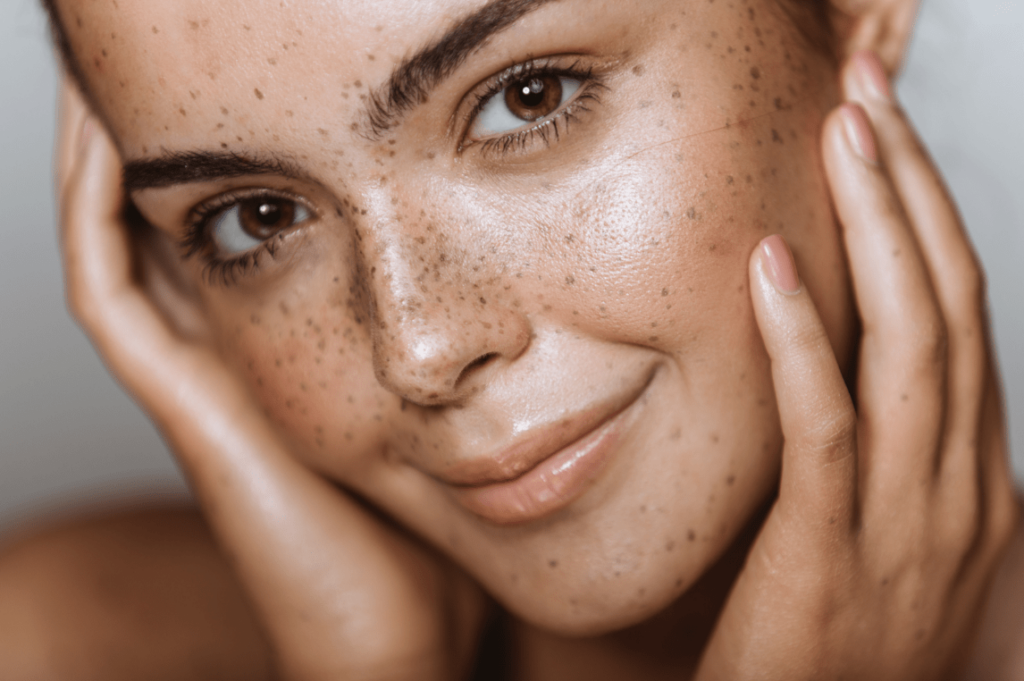

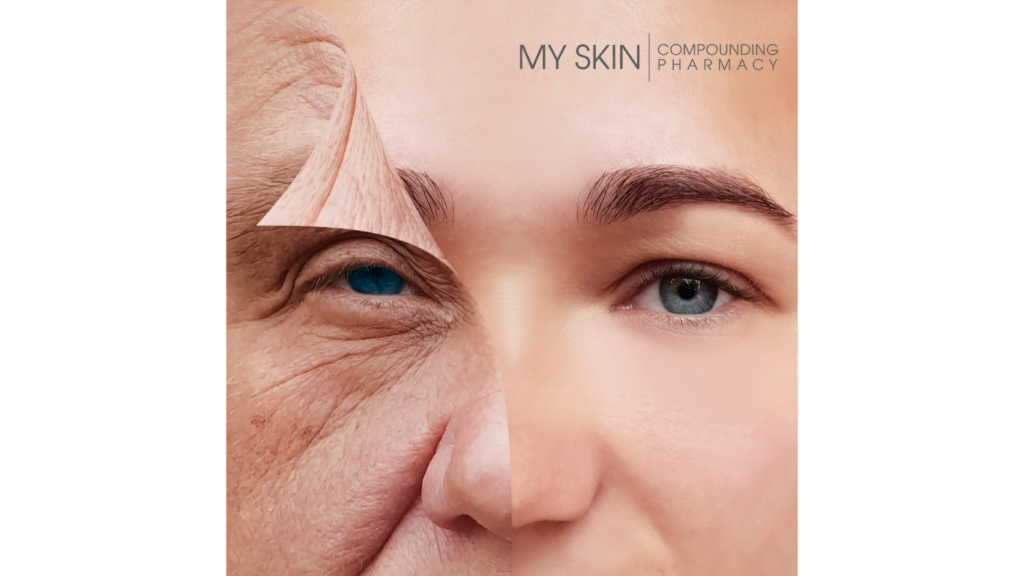
In the sun-drenched landscape of Australia, our skin often tells a story of years spent outdoors. While a healthy glow is always in style, the cumulative effects of UV radiation—pigmentation, fine lines, and textural changes—can leave the skin looking weathered before its time.
If you are seeking a treatment that goes beyond a standard facial but is less invasive than surgery, Photodynamic Therapy (PDT) offers a powerful solution. While often used to treat medical conditions like Actinic Keratosis, PDT is increasingly being utilised for its remarkable “side effect”: profound skin rejuvenation (Pazdrowski, 2025).
What is Photodynamic Therapy for Rejuvenation?
Commonly referred to as a “power facial” or “PDT rejuvenation,” this treatment involves applying a light-sensitive medication to the skin, allowing it to absorb into damaged cells, and then activating it with a specific light source.
In a cosmetic context, PDT doesn’t just surface-treat the skin; it targets the deeper layers to remodel the skin’s architecture. By selectively destroying older, sun-damaged cells and stimulating the body’s natural healing response, it encourages the production of fresh, high-quality collagen (JCAD, 2026).
Cosmetic Benefits of PDT
| Feature | Benefit for the Skin |
| Texture | Smooths out rough, “leathery” patches and refines enlarged pores. |
| Pigmentation | Significantly fades mottled redness, freckles, and “liver spots.” |
| Fine Lines | Softens shallow wrinkles by boosting dermal collagen density. |
| Radiance | Provides a “global” improvement in skin tone and luminosity. |
| Preventative | Clears invisible pre-cancerous lesions (Actinic Keratosis) before they develop. |
Recommended Skincare for PDT Care: Cosmetic & Medical Grade Options
Supporting your skin before and after PDT is essential for achieving the best aesthetic results. Below are high-quality options ranging from the Australian-made Propaira range to international medical-grade leaders Dermaceutic and Biopelle.
| Treatment Phase | Propaira (Australian Made) | Dermaceutic / Biopelle (Medical Grade) | Key Benefit |
| Preparation | 30% Urea Exfoliating Emollient | Dermaceutic Light Ceutic | Softens rough patches and uses glycolic acid to ensure even drug penetration. |
| Cleansing | Micellar Cleansing Cream | Dermaceutic Advanced Cleanser | Removes impurities without stripping the natural lipid barrier. |
| Active Recovery | 10% Niacinamide Serum | Biopelle Tensage Intensive Serum | Biopelle uses snail secretion filtrate (SCA) to accelerate healing after light therapy. |
| Intense Hydration | Intensive Hydration Moisturiser | Dermaceutic Hyal Ceutic | High-concentration Hyaluronic Acid to soothe the “sunburn” sensation. |
| Sun Protection | SPF50+ Tinted Sunscreen | Dermaceutic K ceutic post treatment cream | Mineral and chemical filters provide the absolute protection required post-PDT. |
The Role of Compounding Pharmacies in Aesthetics
Personalisation is the hallmark of modern skincare. Compounding pharmacies play a critical role in the PDT process by creating bespoke formulations that commercial products cannot match.
-
Tailored Bases: For patients with sensitive skin or conditions like rosacea, a compounding pharmacist can omit common irritants or fragrances, creating a photosensitiser in a soothing, hypoallergenic base (Albanell et al., 2022).
-
Variable Potency: Your clinician might require a specific concentration of the active ingredient to match your skin thickness or the severity of your sun damage.
-
Enhanced Delivery: Compounded gels can be formulated with “penetration enhancers” to ensure the medication reaches the deeper dermal layers where collagen synthesis occurs (Pazdrowski, 2025).
How to Use Your Compounded Product
If your practitioner has prescribed a compounded photosensitiser for a “Daylight” or at-home preparation protocol:
-
Prep: Cleanse the skin with a mild, soap-free wash (like Propaira Micellar Cleansing Cream). Avoid physical scrubs immediately before application.
-
Application: Apply the compounded cream evenly to the face, neck, or décolletage as directed by your doctor.
-
The Wait: During the “incubation” period, remain in a darkened room. Even light through a window can begin the activation process prematurely.
-
Post-Care: After the light therapy session, apply a thick, bland moisturiser. Your skin will feel tight and dry as the rejuvenation process begins.
Frequently Asked Questions (FAQs)
How many sessions are required for rejuvenation?
While one session can produce noticeable results, most Australian clinicians recommend a series of 2 to 3 treatments spaced 4 weeks apart for optimal collagen remodeling.
Can I do this if I have a tan?
It is best to have your natural skin tone. A recent tan (even a fake one) can interfere with how the light interacts with the photosensitiser, potentially leading to uneven results or increased side effects.
Is it better than a chemical peel?
While peels exfoliate the surface, PDT provides “field therapy.” It works on a cellular level to target specific damaged cells, making it more effective for those with significant sun damage or Actinic Keratosis (Dianzani et al., 2020).
Potential Side Effects
-
Redness and Swelling: Often compared to a “bad sunburn,” this usually peaks at 48 hours.
-
Peeling: Your skin will shed the damaged layers over 5–7 days. Resist the urge to pick at the skin!
-
Photosensitivity: You will be “allergic” to light for about 48 hours. This includes the light from computer screens and smartphones.
Lifestyle Tips for Ageless Skin
To maintain the results of your PDT rejuvenation, your lifestyle must support your skin’s health:
-
Broad-Spectrum Protection: Use an Australian SPF 50+ sunscreen every single morning, regardless of the weather.
-
Antioxidant Support: Incorporate a Niacinamide serum into your routine to help neutralise free radicals from pollution and remaining UV exposure.
-
The “Shadow Rule”: If your shadow is shorter than you are, seek shade. In Australia, UV levels are high enough to damage skin even on cool or cloudy days.
-
Avoid Heat: For 48 hours post-treatment, avoid hot showers, saunas, and vigorous exercise, as excess heat can worsen swelling.
Ready to Learn More or Get Support?
- There are compounded prescription options to complement PDT. To find out more, call the pharmacy on 07 3039 1589 or email us at info@myskinpharmacy.com.au.
- Already have a script? Upload it here and we can assist with your compounding prescription needs.
- Speak with your healthcare team before changing or starting any treatment.
References
-
Albanell, M., et al. (2022). Cholesterol 2%/simvastatin 1% ointment for the treatment of porokeratosis: a case report. European Journal of Hospital Pharmacy, 29(Suppl 1). https://doi.org/10.1136/ejhpharm-2022-eahp.28
-
Dianzani, C., et al. (2020). Current therapies for actinic keratosis. International Journal of Dermatology, 59(6), 677-684. https://doi.org/10.1111/ijd.14767
-
JCAD Online. (2026). Photodynamic Therapy with 5-aminolevulinic Acid: Current Evidence and Best Practices for Acne and Rejuvenation. Journal of Clinical and Aesthetic Dermatology.
-
OncoLink. (2025). Photodynamic Therapy (PDT): Patient Education and Safety. University of Pennsylvania.
-
Pazdrowski, M. (2025). Daylight photodynamic therapy in nonmelanoma skin cancers and photorejuvenation. Reports of Practical Oncology and Radiotherapy.
-
Propaira. (2025). 30% Urea Exfoliating Emollient: Preparation for PDT. Propaira Skin Treatments. https://propaira.com/body-products/30-urea-exfoliating-emollient
-
StatPearls Publishing. (2025). Photodynamic Therapy for Dermatologic Conditions. National Center for Biotechnology Information. https://www.ncbi.nlm.nih.gov/books/NBK617062/
This article is provided for general educational purposes only and is not intended to replace professional medical advice. Information about compounded medicines and treatments reflects current research and practice but may not be suitable for every individual. Always consult your doctor, dermatologist, or pharmacist before starting or changing any treatment. My Skin Compounding Pharmacy does not claim that compounded products are universally effective or free of risk.

Lane Khin, the compounding pharmacist of My Skin Pharmacy, brings a wealth of knowledge from the worlds of pharmacy and dermatology to the table. With degrees in Pharmacy and Applied Science from QUT, Lane combines a deep understanding of compounding and skincare with a friendly, accessible approach. Lane shares her expertise at her pharmacy in Toowong offering both patients and customers alike, advice and insights into personalised skincare solutions. Lane has a real passion for helping others achieve their best skin.